Guides · Updated September 21, 2026
The Short Answer
An air handler is the coldest, wettest place in a Florida house. It pulls humid air across a cold coil all day, and the water it removes has to drain away. When the pan, the drain line or the cabinet insulation stays wet, growth can start there, and the system can carry it through the building. The EPA's guidance is direct: do not run the HVAC system if you know or suspect that it is contaminated with mold.
Why The Air Handler Is The Usual Suspect
Cooling humid air produces water. It condenses on the evaporator coil, falls into the drain pan and leaves through the condensate line. That is a normal system working as designed. The trouble starts when the line clogs, the pan holds standing water, or the insulation lining the cabinet gets wet and stays wet.
The closet matters too. A pan that overflows sends water into the wall behind the unit, where nobody is looking.
Signs Worth Checking
These are the usual reasons people call:
- 01A musty smell the moment the system turns on.
- 02Flecks or dark streaks at the supply vents.
- 03Standing water in the drain pan, or water staining and rust in the air handler closet.
- 04Rooms that feel clammy even though the air conditioning is running.
- 05Indoor humidity that stays above 60 percent. The EPA recommends staying below that, ideally between 30 and 50 percent.
What Looks Like Mold Is Not Always Mold
Dust on a vent can look dark, and so can staining from condensation. The EPA notes that although a substance may look like mold, a positive determination can be made only by an expert and may require laboratory analysis for final confirmation. It also advises asking any service provider to show you the mold they say exists.
Should You Have The Ducts Cleaned?
The EPA says to consider duct cleaning when there is substantial visible mold growth inside hard surface ducts or on other components of the heating and cooling system. It is equally clear about the limits: duct cleaning has never been shown to actually prevent health problems, and if the conditions causing the mold growth in the first place are not corrected, mold growth will recur.
In other words, find out what is there and why it is wet before paying anyone to clean anything.
What An HVAC Mold Inspection Covers
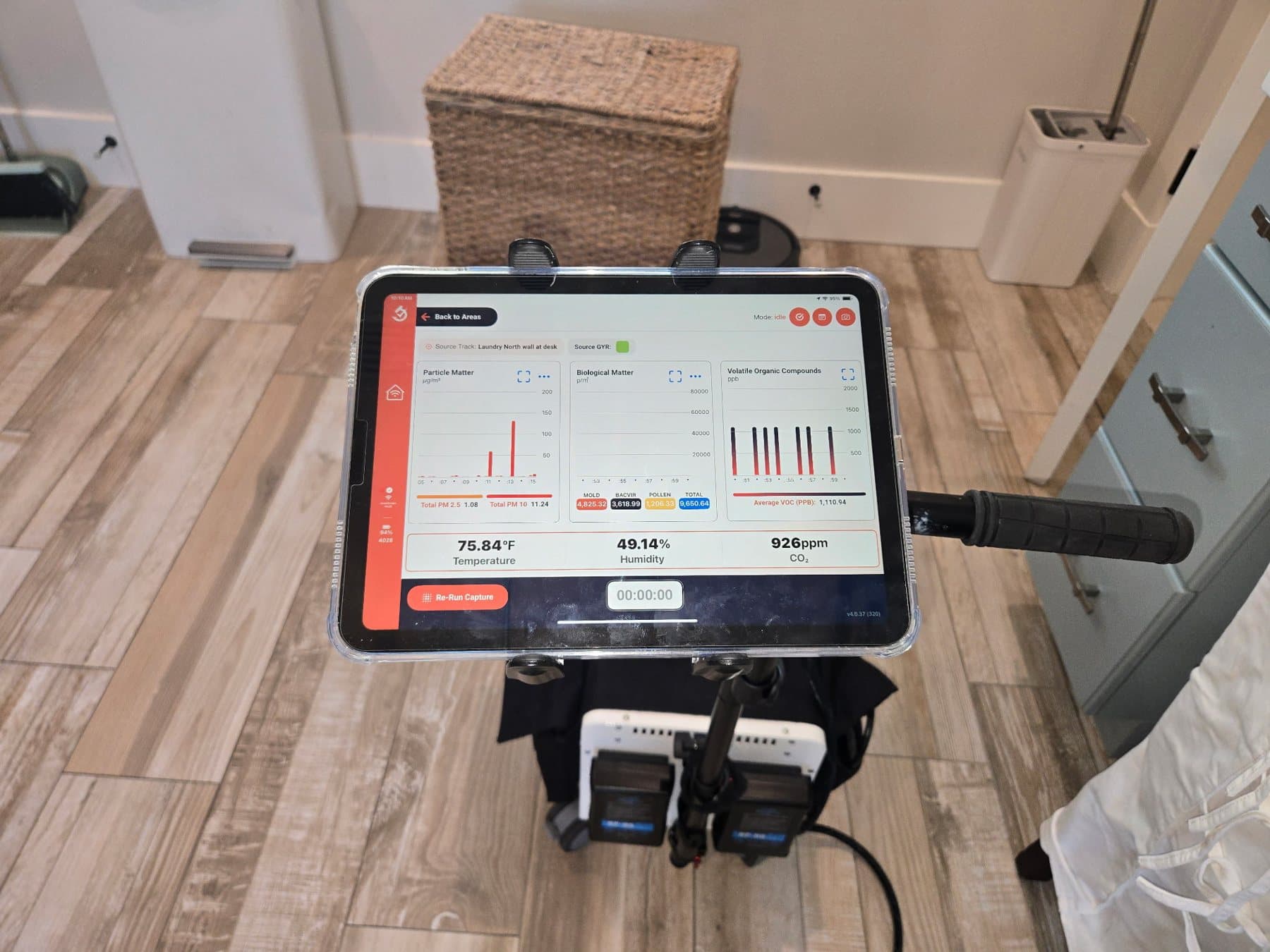
A Mold Shark HVAC inspection looks at the air handler and coil, the drain pan and condensate line, the cabinet insulation, the supply and return plenums, the first runs of ductwork where safe access exists, and the registers and the closet around the unit. Moisture and humidity readings are taken around the system, and air or surface samples are collected when the evidence justifies them.
We inspect and test. We do not clean ducts, service air conditioners or perform remediation, so nothing in the report is written to sell you a cleaning.
One Piece Of Maintenance That Matters
From the EPA's own list: keep air conditioning drip pans clean and the drain lines unobstructed and flowing properly. Most of the air handler problems we document started with a drain line.