

You Can't See It.
We Measure It.
Even a clean, well-kept home can carry invisible pollutants. Indoor air quality and specialty testing gives you a science-based picture of what you are actually breathing, with every sample analyzed by an accredited laboratory.
VOC · Formaldehyde · ERMI · HERTSMI-2 · Mycotoxins · Bacteria · PM2.5 / PM10 · CO2
Specialty Panels
What We Test For, Beyond Mold.
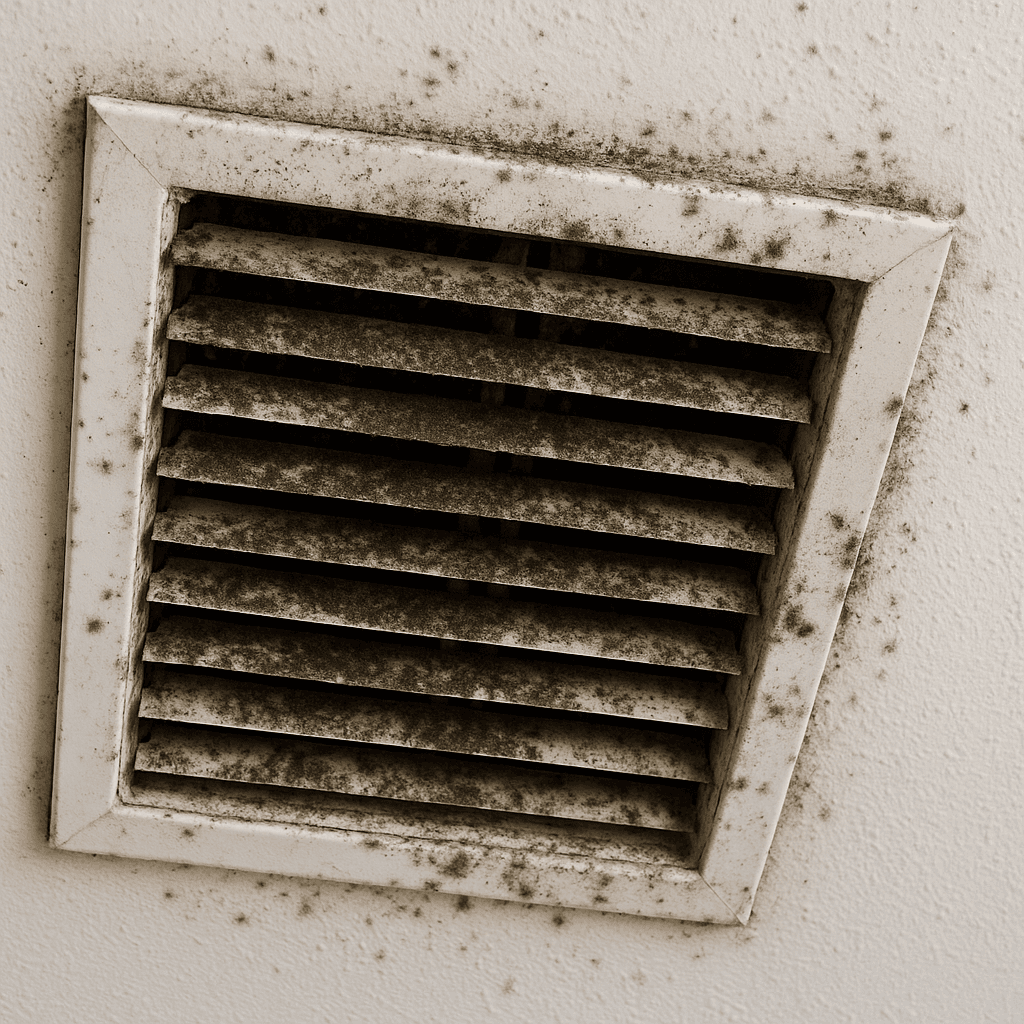
Indoor spaces are enclosed, so contaminants concentrate at higher levels than outdoors. Furnishings off-gas VOCs and formaldehyde, poorly maintained HVAC systems circulate dust and microbes, and damp materials feed mold. Each panel below targets one class of pollutant, and every sample travels under chain of custody.
VOC Panel
Volatile organic compounds released by paints, adhesives, cleaning products, flooring, cabinetry and furnishings. Often odorless, yet linked to headaches and eye, nose and throat irritation.
When To Order It
Unexplained odors, persistent irritation symptoms, a recent renovation, or a physician requesting data for medical reasons.
Formaldehyde
A colorless gas that off-gasses slowly from pressed wood, laminate, insulation, textiles and new furniture, often long after the installation is finished.
When To Order It
A new-construction smell that lingers, new cabinetry or furniture, or symptoms that started after an upgrade. Also used for medical, insurance and legal documentation.
ERMI / HERTSMI-2
qPCR analysis that reads mold DNA in settled dust: a historical record of the building over time rather than a snapshot of today's air.
When To Order It
Clinician-guided cases, sensitive occupants, and homes with long-standing issues where the building's history matters.
Mycotoxin Panel
Laboratory analysis for toxins produced by certain mold species, collected from dust or air under chain of custody.
When To Order It
Physician-directed testing during recovery from illness, or confirmed growth where exposure needs to be quantified.
Bacteria Screen
Bacterial sampling for water-damaged materials and suspect HVAC systems, analyzed by an accredited laboratory.
When To Order It
Sewage backups, gray-water leaks, and persistent odors that a mold test alone cannot explain.
Particulates & CO2
PM2.5 and PM10 particle counts plus carbon dioxide levels: the basic vital signs of how well a building exchanges air.
When To Order It
Stuffy rooms, dust complaints, and checking whether ventilation is actually doing its job.
Health Signals
Symptoms Are Signals. Measurement Is The Answer.
Indoor air problems tend to announce themselves quietly: a stuffy nose, wheezing, irritated eyes or skin, headaches, fatigue. The CDC notes that some people feel those effects sooner and harder than others. None of this means your home is dangerous. It means the question deserves an objective measurement instead of a guess.
Who Orders This Testing
Allergy & Asthma Households
Flare-ups that ease when you leave home point back at the building. Data confirms or clears it.
Immunocompromised Occupants
Treatment, transplant or chronic illness lowers the threshold for what counts as clean air.
Recovering After Illness
Clinicians often ask for environmental data when symptoms will not resolve on their own.
New Construction & Renovation
That new-house smell is off-gassing. Measurement tells you what it is and when it is gone.
Landlord & Tenant Disputes
Independent numbers from an accredited lab replace competing opinions on both sides.
Method
A Targeted Plan, Not A Shotgun Panel.
Map The Concerns
A short interview covering symptoms, recent renovations, water events and occupant sensitivities, so the sampling targets the right questions.
Plan The Sampling
A targeted strategy that balances cost with diagnostic value. We quote the panels your situation calls for, not every test on the shelf.
Collect To Protocol
Calibrated media, controlled sampling periods, and samples sealed under full chain of custody so the data stands up for medical or insurance use.
Read The Results
An accredited laboratory quantifies what is present against reference ranges for indoor environments. You get a plain-language report with clear next steps.
Lab Turnaround
24–48 HOURS
Most results land within two days. Specialty panels such as mycotoxin analysis can run longer, and we say so up front.
Straight Answers
Air Quality Questions, Answered.
VOC testing measures the levels of volatile organic compounds in your indoor air. These gases come from paints, cleaning products, flooring, furnishings and other building materials, and many are odorless. We collect samples on calibrated media under strict chain of custody, and an accredited lab quantifies the specific compounds against reference ranges for safe indoor environments.

Stop Guessing About Your Air.
A short interview, a targeted sampling plan, and lab-certified results in 24–48 hours. Independent. We never sell the repair.
FL Mold Assessor MRSA3341 · Mold Remediator MRSR3507 · Serving Six Counties

- LAB RESULTS
- 24–48 HOURS
- TESTING HOURS
- Mon–Fri · 8:00am – 5:00pm
- CALL OR TEXT
- 7 Days A Week · 24 Hours
- COVERAGE
- 6 COUNTIES · TWO COASTS
- LICENSED
- FL MOLD ASSESSOR MRSA3341