Guides · Updated September 21, 2026
The Short Answer
Mold problems in a Florida rental are handled under the general maintenance duties in the landlord and tenant statute. Section 83.51 requires a landlord to comply with applicable building, housing and health codes, or where none apply, to keep the structure in good repair and the plumbing in reasonable working condition. Section 83.56 gives a tenant a written notice process with a seven-day window. An independent inspection establishes what is actually wrong and what is causing it.
What The Statute Requires Of A Landlord
Under Florida Statute 83.51(1), the landlord at all times during the tenancy shall comply with the requirements of applicable building, housing and health codes. Where there are no applicable codes, the landlord shall maintain the roofs, windows, doors, floors, steps, porches, exterior walls, foundations and all other structural components in good repair and capable of resisting normal forces and loads, and the plumbing in reasonable working condition.
A roof leak, a failed window or a plumbing leak that feeds mold growth falls under those duties.
The Seven-Day Written Notice
Section 83.56(1) covers what happens when a landlord does not comply. If the landlord materially fails to comply with section 83.51(1) or material provisions of the rental agreement within 7 days after delivery of written notice by the tenant specifying the noncompliance, the tenant may terminate the rental agreement.
The statute has specific requirements and exceptions. Talk to an attorney or a local legal aid office before you withhold rent or end a lease.
Why The Cause Matters
Responsibility usually follows the cause. Building and system failures, such as roof leaks, plumbing breaks, water coming through the envelope and chronic air conditioning humidity, point one way. Problems that come from how a unit is used point the other. When the two sides disagree, the argument is really about the moisture source.
What An Independent Report Does
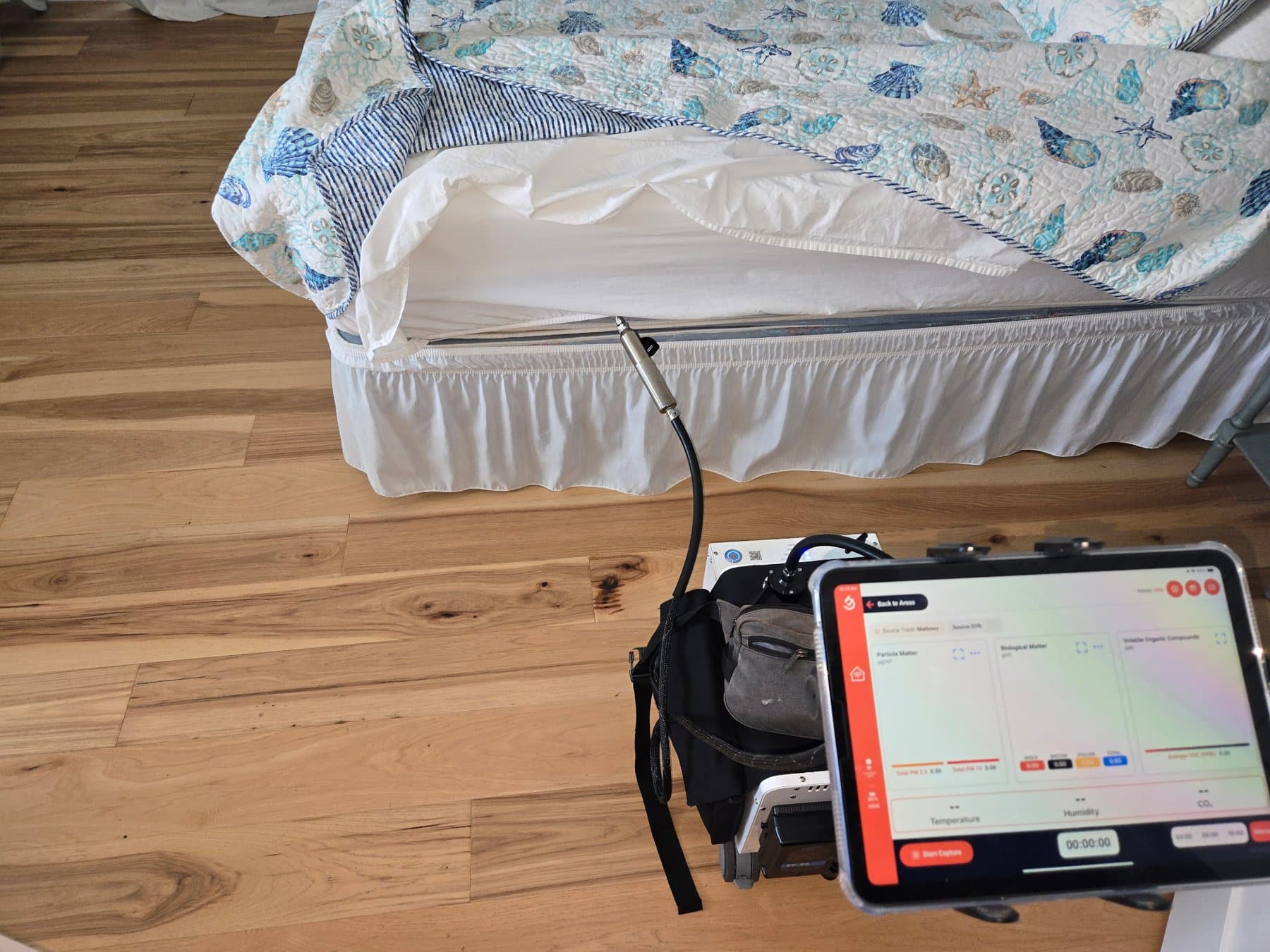
An assessment documents where the moisture is, what is feeding it and what is growing, with photographs, moisture readings and laboratory results collected under chain of custody. Mold Shark never performs remediation and is not hired to take a side, so the same report reads the same way to a tenant, a landlord, a property manager or a mediator.
Practical Steps
For either side, the record is what counts:
- 01Tenants: report the problem in writing, with dated photographs, and keep copies.
- 02Tenants: allow access for inspection and repairs.
- 03Landlords: respond in writing and fix the moisture source first, because cleaning without the repair does not last.
- 04Landlords: after any remediation, get independent clearance testing before the unit is re-occupied.
A Note On This Guide
This guide is general information, not legal advice. Statutes change and every lease is different.