
Mold Inspection In
Fort Lauderdale
Mold Shark runs independent mold assessments across Fort Lauderdale, from the finger canals off Rio Vista to the high-rise floors downtown. We map moisture, read the building, and sample where the evidence points. Lab-certified results come back in 24 to 48 hours in a plain report you can hand to an adjuster, a buyer, or a remediation contractor. Call (772) 333-4399.
Local Conditions
What Drives Moisture In Fort Lauderdale.
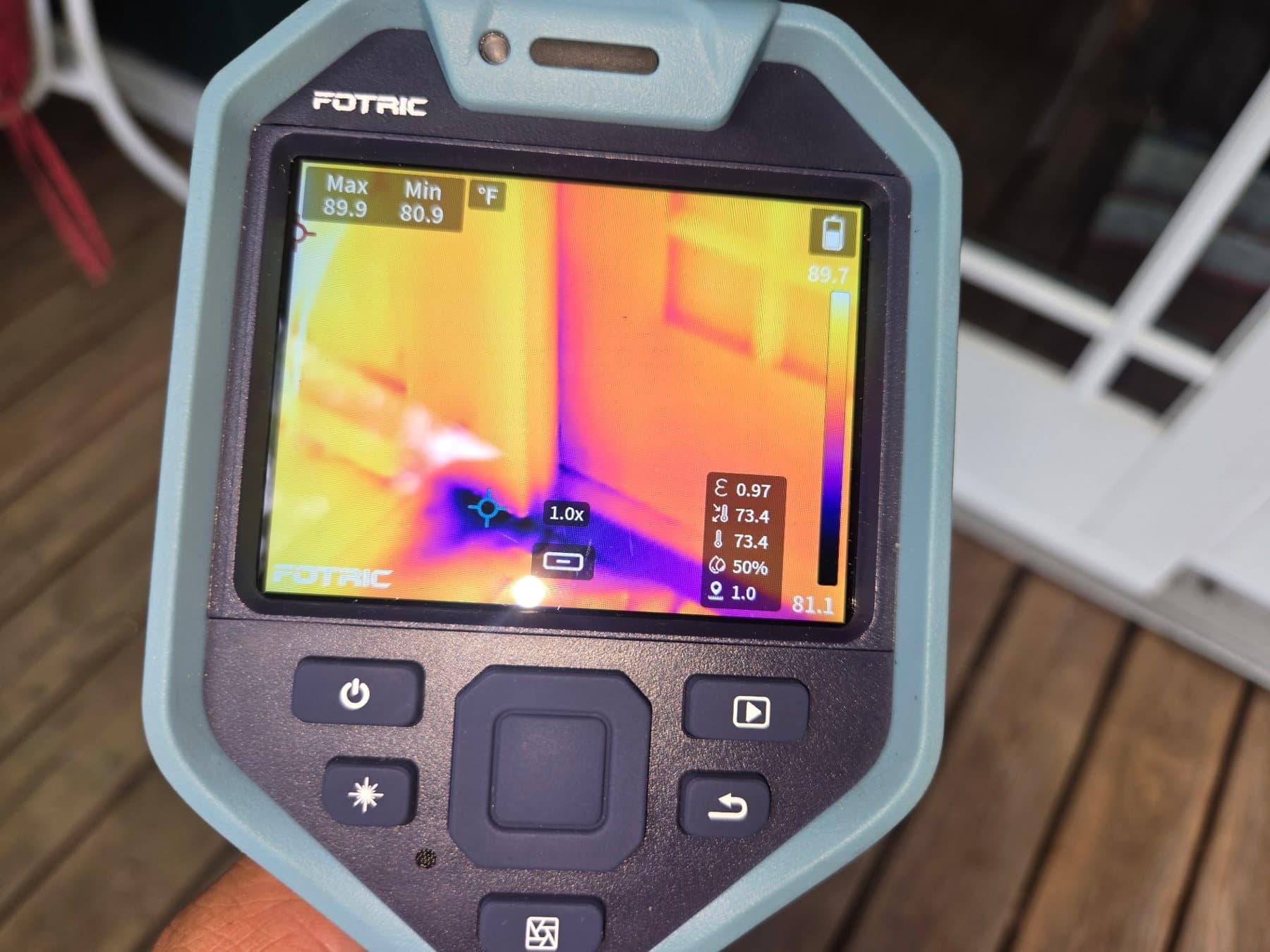
Fort Lauderdale is built on a canal grid, and that changes what we look for. Most of the older waterfront blocks, Rio Vista and the streets running back off Las Olas among them, sit on dead-end finger canals cut off the New River and the Intracoastal, low against their seawalls. When the king tides run in the fall, the water table comes up with the canal, and slab-on-grade homes take moisture from underneath instead of from the roof. It reads as damp baseboards, cupping wood along one exterior wall, and a musty smell that builds for a few weeks and then eases. Owners usually assume a plumbing leak. A moisture meter walked along the slab edge tends to tell a different story.
The housing stock splits the work in two. Victoria Park and the mid-century blocks are full of low-slope and flat roofs over ranches with aging stucco, where a roof that ponds after an afternoon storm can feed a ceiling assembly for months before a stain shows up, and the stain rarely appears under the actual penetration. The towers along the beach and the downtown waterfront fail differently: stack effect pulls humid outside air up through stairwells, trash chutes and elevator shafts, so a corridor on a high floor can run wetter than the units opening onto it. An air handler sized wrong for the unit finishes the job by short-cycling and never pulling the humidity down.
Out toward Harbor Beach, Bay Colony, Coral Ridge Country Club and the marina-adjacent buildings, salt air works on condensate pans, drain fittings and coil housings faster than it does a few miles inland. A pan that weeps instead of draining will keep an interior closet wall damp with no visible drip anywhere. Newer construction along the Sunrise Boulevard and Federal Highway corridors is tighter, which is good for the power bill and unforgiving about one unsealed penetration: with less air exchange, whatever moisture gets in stays in. Three building types, three failure patterns, so we inspect them three different ways.
Areas Covered
- 01Las Olas
- 02Rio Vista
- 03Victoria Park
- 04Harbor Beach
- 05Coral Ridge Country Club
- 06Bay Colony
- 07Downtown Waterfront
- 08Sunrise Boulevard Corridor
- 09Federal Highway Corridor
Where We Look First
The Places It Usually Starts.
01
HVAC Closets And Condensate Lines
Interior air handler closets in both the ranches and the condo units hide a slow pan overflow behind drywall, and a clogged secondary drain line will wet the closet wall for weeks before anything reaches the floor.
02
Low-Slope And Flat Roof Penetrations
Vent stacks, curbs and skylights on the flat roofs common through the mid-century blocks hold water after a storm, and the leak often travels along a joist and surfaces in a room well away from the penetration.
03
Sliding Door Tracks And Thresholds
Wind-driven rain off the Intracoastal loads slider tracks faster than the weep holes clear them, and the water backs under the threshold into the subfloor and jamb where tile or carpet keeps it out of sight.
04
High-Rise Corridors And Chases
In the beach and downtown towers, humid air drawn up stairwells and shafts condenses on cool corridor drywall and unit entry doors, which is why the pattern often reads building-wide rather than unit-specific.
05
Laundry Closets And Interior Baths
Stacked laundry closets and windowless baths vented into a soffit instead of out through the roof push moist air straight into the ceiling cavity, and that cavity stays damp long after the fan shuts off.
Testing And Air Quality
Mold Testing & Air Quality In Fort Lauderdale.
Mold Testing In Fort Lauderdale
Air and surface samples from your Fort Lauderdale property go to an accredited laboratory under chain of custody. The report names the species present, including Stachybotrys, the one most people mean by black mold, and gives the counts against an outdoor baseline. Certified results come back in 24–48 hours.
How Mold Testing WorksAir Quality Testing In Fort Lauderdale
When the concern goes beyond mold, we test indoor air for VOCs, formaldehyde and bacteria, and run ERMI or mycotoxin panels when the result would change a decision. The plan is built on what the walkthrough found, not a shotgun panel.
See Indoor Air Quality TestingYour Mold Inspector, Never Your Remediator
Mold Shark is the licensed mold assessor in the process, not the cleanup crew. We do not perform mold removal or remediation in Fort Lauderdale or anywhere else. If the property needs it, you take our written findings to any remediation company you choose, and we can return afterwards to verify the work.
Read This Before Hiring A RemediatorWhat We Run
Services Available In Fort Lauderdale.
Also available in Fort Lauderdale: HVAC Mold Inspection, Tenant & Landlord Reports, Black Mold Testing, Moisture & Thermal Imaging, Real Estate Inspections, Before Mold Remediation.
Questions
Fort Lauderdale Questions, Answered.
No, and that is deliberate. Mold Shark holds both a Florida Mold Assessor license (MRSA3341) and a Mold Remediator license (MRSR3507), and still never performs remediation. That is a choice, not a limitation, and it is the whole reason our findings carry no conflict of interest. Under Florida Statute 468.8419 a licensed assessor may not remediate a structure they assessed within the previous 12 months. Holding the remediator license means we know what the cleanup actually involves and can read a contractor's scope and pricing properly. If the answer is a plumbing leak and no mold problem, that is what the report says.
Know What You're Breathing.
Certified inspection, lab-certified results in 24–48 hours. Independent. We never sell the repair.
FL Mold Assessor MRSA3341 · Testing Only · We Never Perform Remediation
- LAB RESULTS
- 24–48 HOURS
- TESTING HOURS
- Mon–Fri · 8:00am – 5:00pm
- CALL OR TEXT
- 7 Days A Week · 24 Hours
- COVERAGE
- 7 COUNTIES · TWO COASTS
- LICENSED
- FL MOLD ASSESSOR MRSA3341
- Google Maps
- 5.0 ★ · 86 REVIEWS